The Script: A Guide to This Elegant Handwritten Typeface
Finding a typeface that captures genuine emotion can transform a design from merely functional to deeply resonant. The Script is a gorgeous handwritten font that immediately stands out for its stylish and romantic personality. It offers an authentic and delicate touch, making it a versatile asset for projects that aim to feel personal, elegant, and full of character.
Understanding The Script's Visual Character
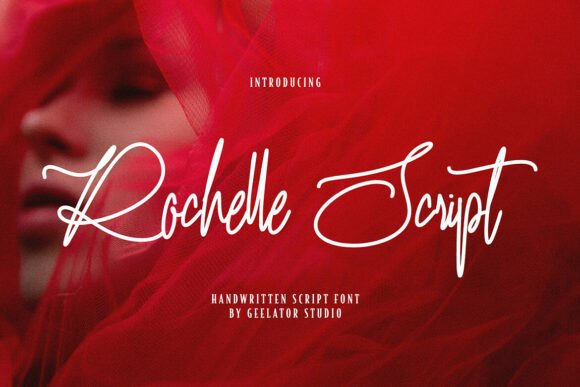
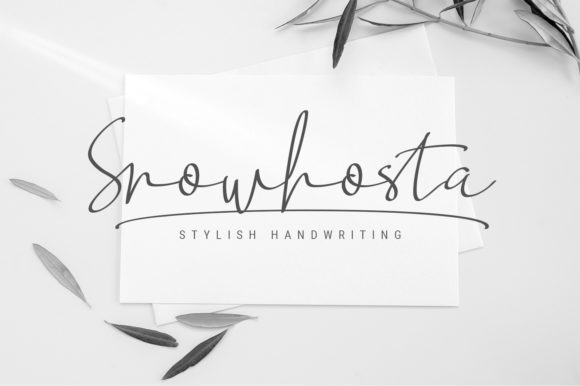
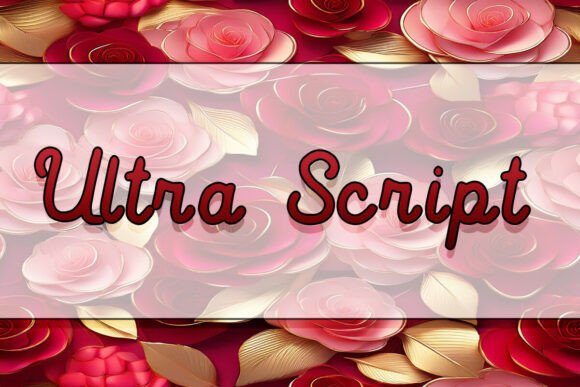
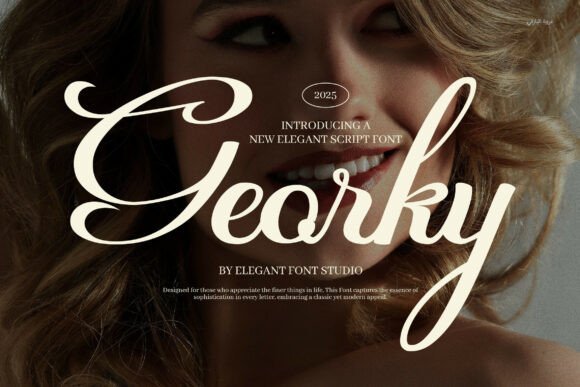
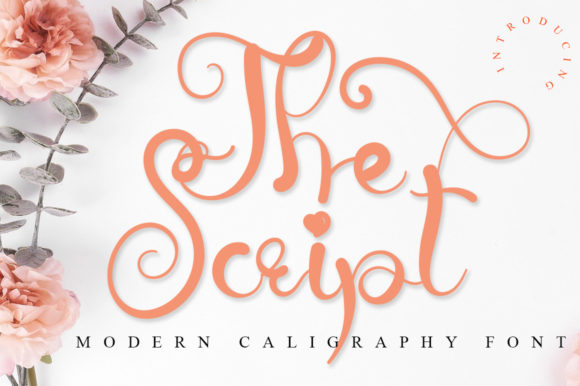
At its core, The Script is a premium font designed to emulate the fluidity and grace of natural handwriting. Its letterforms feature varying stroke weights, subtle connections between characters, and a rhythm that feels organic rather than mechanically uniform. This isn't a casual, messy scrawl; it's a refined script font where each curve and baseline has been carefully crafted to maintain legibility while exuding charm.
The overall aesthetic is one of sophisticated romance. It carries the warmth of a personal note but with the polish needed for professional applications. Think of the elegant loops on ascenders, the gentle slant that guides the eye forward, and the balanced spacing that prevents the text from feeling cramped or overly loose. This careful construction makes it a creative font that feels both timeless and contemporary, fitting seamlessly into modern typography trends that favor authenticity.
Where The Script Truly Shines
The strength of this typeface lies in its adaptability across a wide range of creative and commercial projects. Its romantic flair makes it a natural choice for wedding invitations, greeting cards, and personal stationery, where a heartfelt touch is paramount. However, its applications extend far beyond personal correspondence.
In brand identity, The Script can become the cornerstone of a logo for boutique businesses, artisanal product lines, or lifestyle brands that want to convey approachability and craftsmanship. It’s particularly effective for businesses in the fashion, beauty, floral, or specialty food sectors. When used in packaging design, it helps products stand out on shelves by suggesting a handmade or curated quality.
For editorial design, consider using it for pull quotes, chapter titles, or feature headers in magazines and blogs. It adds a human element that draws readers in. In the digital realm, it performs beautifully in web design for hero text, call-to-action buttons, or short descriptive phrases that need emphasis without overwhelming the layout. It’s equally powerful in social media graphics, where grabbing attention quickly is key—think Instagram story headings, Pinterest pin titles, or LinkedIn post accents.
Practical Guidance for Using The Script Effectively
Incorporating any script font requires thoughtful application to maintain clarity and impact. Here are some practical considerations for working with The Script.
Font Pairing and Hierarchy
Because The Script is a display font with strong personality, it works best when paired with a cleaner, more neutral typeface for body text. A classic serif font or a modern sans serif font can provide excellent contrast and ensure readability for longer passages. Use The Script for headlines, subheads, or key phrases where you want to inject personality, and let its partner handle the informational heavy lifting. This pairing establishes a clear visual hierarchy, guiding the viewer’s eye through your content logically.
Readability and Application
While beautiful, handwritten styles can pose challenges at small sizes or in dense text blocks. The Script is designed with legibility in mind, but it’s still wise to reserve it for larger point sizes—typically for headlines or short statements. Avoid using it for paragraphs of body copy on screen or in print, as the intricate details can become lost and fatigue the reader. Always test your designs at the intended viewing size and on various devices to ensure the message remains clear.
Evaluating Fit and Licensing
Before committing, consider your project’s core message. Does it call for warmth, elegance, and a personal touch? If so, The Script is likely a strong candidate. Review the font package thoroughly; a commercial font of this quality often includes multiple styles, such as regular, italic, or swash alternates, giving you more design flexibility.
Always verify the licensing terms. For commercial projects—whether a client’s logo, a product line, or monetized content—you need to ensure you have the appropriate license. Using a creative font legally is not just about compliance; it’s about respecting the work of type designers and ensuring your brand’s foundation is built on solid ground.
Real-World Application Scenarios
Imagine a small-batch candle company. Using The Script for the product name on the label, paired with a simple sans serif for the scent description, creates an immediate impression of artisanal quality. For a lifestyle blogger, employing it for the main title of a "Morning Routine" post adds a personal, diary-like feel that resonates with readers. In a marketing email, a headline set in The Script can increase open rates by feeling more like a personal invitation than a corporate blast.
Ultimately, The Script is more than just a collection of letterforms; it’s a design asset that can help tell your story. By understanding its strengths and applying it with intention, you can leverage this handwritten font to create work that feels genuine, engaging, and professionally polished. Its ability to bridge the gap between romantic elegance and contemporary design makes it a valuable tool in any creative professional’s toolkit.