Rahmatillah Script: Bridging Calligraphy and Modern Design
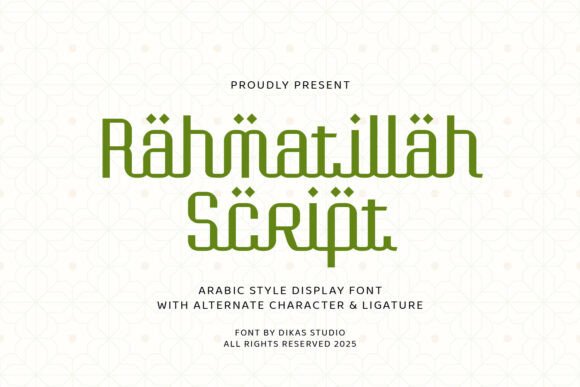
When you first encounter Rahmatillah Script, you immediately notice the balance it strikes. It doesn't scream for attention with jagged, chaotic strokes, nor does it fade into the background. Instead, this premium font offers a quiet confidence. As a designer, I appreciate typefaces that understand their role, and Rahmatillah understands that it needs to be the bridge between deep-rooted tradition and the sharp, clean lines of modern typography. It captures the soul of Arabic calligraphy—the flow, the spirituality, the rhythm—but strips away the excessive ornamentation that can make traditional scripts difficult to use in contemporary commercial layouts.
The visual DNA of Rahmatillah Script is defined by its thin, rigid strokes and clean structure. If you are used to heavy, swash-heavy script fonts, this will feel like a breath of fresh air. It is a display font that prioritizes legibility without sacrificing elegance. The letterforms are structured to guide the eye naturally, creating a seamless flow that mimics the fluidity of ink on paper but with the precision of digital vector paths. This makes it an incredibly versatile creative font. Whether you are working on a minimalist web design project or a textured print piece, the thin strokes of this typeface ensure that it integrates smoothly rather than dominating the canvas.
Practical Applications: Where Tradition Meets Commerce
The true test of any commercial font is how well it performs in the real world. Rahmatillah Script excels specifically in niches where cultural elegance is paramount but clarity is non-negotiable. If you are a small business owner preparing for Ramadan or curating an Islamic-themed collection, this font is a vital addition to your design assets. I have seen it used beautifully on packaging design for artisanal foods and luxury goods. The thin strokes allow for detailed product information to sit comfortably alongside the header text without creating visual clutter.
Consider the world of brand identity. For entrepreneurs launching a lifestyle brand with Middle Eastern influences, or a boutique agency specializing in event planning, Rahmatillah Script offers a distinct voice. It works exceptionally well for logo design where you want to convey sophistication and heritage. However, a word of advice: because it is a script font, ensure your logo has enough breathing room. Pair it with a clean sans serif font for the tagline to maintain that balance between the artistic header and the functional details.
Beyond commercial use, the font shines in editorial design and personal projects. Imagine designing a wedding invitation or a religious greeting card. The aesthetic clarity of Rahmatillah Script makes it perfect for headlines and pull quotes in magazines or blogs. It brings a touch of spirituality to social media graphics without looking dated. For content creators and bloggers, using this font for Instagram stories or Pinterest pins related to lifestyle, culture, or spirituality can significantly boost engagement because it feels authentic and curated.
Mastering the Font Pairing and Hierarchy
One of the most common mistakes I see with handwritten fonts or calligraphic scripts is poor pairing. Rahmatillah Script has a very specific personality—elegant, spiritual, and refined. If you pair it with another decorative font, you create visual noise. The rule of thumb here is contrast. Because Rahmatillah has a delicate, thin weight, it pairs exceptionally well with a bold, geometric sans serif font or a sturdy serif font.
For example, if you are designing a menu for a high-end restaurant or a brochure for a cultural exhibition, use Rahmatillah Script for the main headers to set the tone. Then, switch to a highly legible sans serif for the body copy. This establishes a clear visual hierarchy. The reader’s eye is drawn to the beautiful script, and then they are guided to the information they actually need to read. This approach ensures that your design is not only beautiful but also functional.
Furthermore, pay attention to spacing. Scripts like Rahmatillah often look best with a little extra tracking (letter-spacing) if used in all caps or for short phrases, though it is naturally designed to flow. When using it for web design, test the font on different screen sizes. While it is a premium font optimized for digital use, the thin strokes require sufficient contrast against the background color to remain accessible.
Evaluating Fit and Licensing for Your Projects
Before you integrate Rahmatillah Script into your next project, take a moment to evaluate the context. Is the mood of your project serious, celebratory, or spiritual? If the answer is yes, this font is likely a strong fit. If you are designing for a tech startup or a rugged outdoor brand, you might find that the calligraphic style clashes with the brand's voice. Understanding the personality of your typeface is just as important as understanding your audience.
From a technical standpoint, always review the styles included in the font family. Some variations of the font might include different weights or stylistic alternates that can add nuance to your typography. When testing, type out your specific headlines. Some letter combinations in script fonts can look awkward; check for natural connections and flow.
Finally, respect the commercial font licensing. If you are using this for a client's logo design or a product line that will be sold commercially, ensure your license covers that usage. High-quality typefaces like this are the result of significant craftsmanship, and supporting the typographer ensures they can continue producing high-caliber design assets. By treating Rahmatillah Script as a strategic tool rather than just a decorative element, you elevate your work from standard to exceptional, creating designs that resonate with cultural depth and professional polish.