Lovemind Script: A Natural Calligraphy Font for Authentic Design
There's a certain warmth that a hand-lettered touch brings to a project—a sense of authenticity that's hard to replicate with a standard, digital typeface. In a world saturated with clean, geometric sans serifs and formal serifs, the human element often gets lost. This is where a font like Lovemind Script enters the conversation. It's not just another script font; it's a design asset built to inject personality, emotion, and a natural, handcrafted feel into your work. For designers, entrepreneurs, and creators seeking to make a genuine connection, understanding how to leverage a premium font like this can be a game-changer.
The Anatomy of a Natural Touch
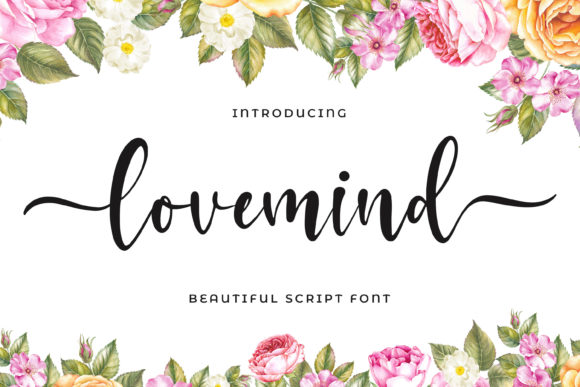
At its core, Lovemind Script is a display font characterized by its flowing, organic strokes. The letterforms mimic the subtle inconsistencies and fluid motion of actual calligraphy or skilled handwriting. You'll notice the gentle pressure variations in the downstrokes and the delicate, sometimes swashy, connections between characters. This gives it a distinctly handwritten font personality that feels personal and intimate, rather than rigid or overly formal. It’s the kind of typeface that feels like it was written just for the viewer, making it incredibly effective for projects that rely on emotional resonance.
This script font occupies a unique space. It carries the elegance of traditional calligraphy but is rendered with a modern typography sensibility. It avoids the overly ornate, hard-to-read flourishes of some classic scripts, opting instead for a clean yet expressive aesthetic. This balance is crucial. It allows the font to be versatile—powerful enough to serve as a focal point in a logo design, yet legible enough for shorter blocks of text in an invitation or a book cover quote. Its appeal lies in this duality: it's both beautiful and functional.
Where Lovemind Script Truly Shines
Understanding a font's ideal use cases is where practical design strategy comes into play. Lovemind Script isn't a one-size-fits-all solution, but in the right context, it elevates a project from good to memorable. Its strength lies in applications where a human connection is paramount.
For brand identity, particularly for small businesses, boutiques, wellness brands, artisanal products, or lifestyle bloggers, this font can become a cornerstone. Imagine it on a bakery's packaging, a yoga studio's logo, or a handmade jewelry brand's hang tag. It immediately communicates care, quality, and a personal touch. In editorial design, such as book covers, chapter headings, or magazine pull quotes, it adds a layer of sophistication and emotional depth. Similarly, in packaging design, it can make a product feel premium and thoughtfully curated.
The digital realm is equally fertile ground. Social media graphics need to stop the scroll, and a beautifully set headline in Lovemind Script can do just that. It's perfect for Instagram posts, Pinterest pins, and Facebook ads where you want to convey a message with style and warmth. For web design, it can be used strategically for hero section headlines, call-to-action phrases, or stylistic accents—though pairing it with a highly readable sans serif font for body text is a non-negotiable best practice. From wedding invitations and greeting cards to craft projects and digital planners, its applications are vast for both personal and commercial use.
Making the Font Work for You: Practical Considerations
Choosing a creative font like Lovemind Script is just the first step. The real skill lies in its implementation. A few practical guidelines will ensure it enhances, rather than hinders, your design.
Evaluating Project Fit: First, ask if the font's personality aligns with your project's goals. A corporate law firm's annual report? Probably not the right fit. A boutique hotel's welcome letter or a children's book title? Perfect. The font's inherent style should amplify your message, not contradict it.
Mastering Font Pairing: This is critical. A script font, especially one with this much character, should almost never be used for body copy. Its power is in headlines, titles, and accents. Pair it with a clean, neutral serif font for a classic, elegant look (think wedding invitations or luxury branding). Alternatively, pairing it with a simple sans serif font creates a beautiful, contemporary contrast that feels fresh and balanced (ideal for modern logos and web design). Let Lovemind Script be the star, and use its partner font as the reliable supporting actor.
Readability is Paramount: Even the most beautiful font fails if it can't be read. Test Lovemind Script at the size you intend to use it. Its legibility is good for display purposes, but always check how it renders on different screens and in print. Ensure there's sufficient contrast with the background color. Avoid setting long paragraphs in it, as the dense, connected letterforms can become a strain on the eyes.
Review the Full Package: A quality commercial font like this often comes with more than just the basic alphabet. Check for stylistic alternates, ligatures, and swashes. These additional design assets allow for greater customization and can help you create a more unique typographic composition. Experiment with these features to add flair and avoid a generic look.
Finally, always clarify the licensing. If you're using Lovemind Script for a client's logo, a product you sell, or in a commercial app, ensure your license covers that specific use. Respecting font licensing is a mark of a professional designer and protects both you and the font creator.
In the end, a typeface is a tool for communication. Lovemind Script offers a specific, powerful voice—one that speaks of authenticity, elegance, and human connection. Used thoughtfully, it can transform a simple design into a compelling story, making it an invaluable asset in any creative professional's toolkit.