Handwritten Invitation Script: The Modern Script for Personal Design
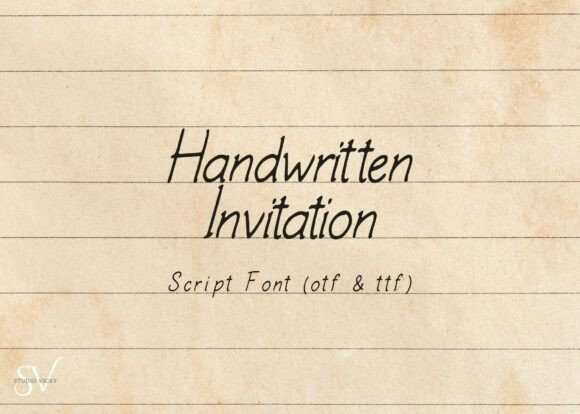
There is a specific moment in design where digital precision meets human imperfection, and that intersection is where the most authentic connections happen. You have likely scrolled past hundreds of sterile, geometric logos and perfectly aligned layouts today. While clean sans serif fonts are fantastic for utility, they often lack the soul required for intimate communication. This is exactly where the Handwritten Invitation Script steps in. It is not just another script font; it is a typeface designed to bridge the gap between high-end professionalism and genuine warmth. It captures the fluidity of real ink without the messy inconsistencies that make digital editing difficult.
The visual character of this premium font is defined by its graceful, flowing strokes. Unlike heavy, scratchy, or overly distressed handwritten styles, this typeface maintains a polished elegance. It mimics the pressure and release of a pointed pen, creating a rhythm that feels organic to the eye. For graphic designers and small business owners, this is a critical distinction. You want a font that feels personal, but you cannot afford to look amateurish. The Handwritten Invitation Script solves this by offering a style that is sophisticated enough for a high-end wedding suite yet approachable enough for a friendly greeting card.
Visual Personality and Brand Perception
Typography is silent communication. The moment a viewer sees the Handwritten Invitation Script, they process specific emotions before they even read the words. This font signals care, attention to detail, and a human touch. In the realm of brand identity, this is invaluable. Consider the difference between a generic "Thank You" stamp on a receipt and a hand-signed note at the bottom of an invoice. The script font replicates that feeling of exclusivity.
When you utilize this typeface in your logo design, you are positioning your brand as one that values relationships. It works particularly well for industries where trust and intimacy are paramount. Think of boutique bakeries, wedding planners, high-end florists, lifestyle coaches, and artisanal product makers. The modern typography style of this script ensures that while it looks hand-drawn, it does not look childish. It commands respect while extending a handshake, effectively influencing how your audience perceives your credibility and approachability.
Practical Applications Across Creative Projects
The versatility of the Handwritten Invitation Script is one of its strongest assets. It is a creative font that transcends specific mediums, performing beautifully in both print and digital environments. This adaptability makes it a staple in any designer’s toolkit of design assets.
Event Stationery and Wedding Invitations
The name suggests its primary strength: invitations. The flowing nature of the script guides the eye naturally from one word to the next, making it perfect for long-form event details where readability is key. For wedding invitations, it provides that romantic, bespoke feel without the cost of hiring a professional calligrapher for every print run. It pairs exceptionally well with a clean serif font for the body text, creating a classic visual hierarchy that looks expensive and curated.
Digital Marketing and Social Media
In the fast-paced world of social media graphics, standing out is difficult. A block of text in a standard system font gets ignored. However, using the Handwritten Invitation Script for pull quotes, Instagram story headers, or Pinterest pins adds a layer of personality that stops the scroll. It works effectively in web design as well, particularly for hero sections or call-to-action buttons where you want to inject a bit of personality without sacrificing legibility on mobile screens.
Packaging and Editorial Design
For packaging design, this font adds a tactile quality to flat surfaces. Imagine a coffee bag label or a cosmetic box where the product name is rendered in this script; it implies that a human was involved in the creation process. In editorial design, such as magazine headers or blog post graphics, it offers a break from the rigid grids of standard layout typography, adding visual interest and directing the reader's attention to key headlines.
Technical Considerations and Font Pairing
A beautiful font is useless if it is technically flawed. Fortunately, the Handwritten Invitation Script is engineered for modern workflows. It is fully compatible with major platforms like Canva, Cricut, Procreate, and the Adobe Suite. This ensures that whether you are a professional designer working in Illustrator or a hobbyist creating a vinyl decal in Cricut Design Space, the font renders smoothly.
When working with any handwritten font, font pairing is the most important skill to master. Because the Handwritten Invitation Script is highly decorative and stylistic, it should rarely be used for large blocks of body copy. It is a display font meant for impact.
Practical Pairing Tips:
- With Serif Fonts: Pairing this script with a traditional serif creates a timeless, elegant look. This is ideal for wedding stationery, luxury branding, and editorial layouts.
- With Sans Serif Fonts: Combining it with a geometric sans serif creates a modern, chic contrast. This works well for tech startups that want to appear approachable, or for trendy lifestyle branding.
- Readability Checks: Always test your kerning (letter spacing). Handwritten scripts often have connecting letters; ensure the connection points don't overlap awkwardly in your specific design software.
Evaluating Fit and Licensing
Before finalizing your design, you must ensure the font fits the context. Look at the x-height and the ascenders/descenders. Does the "g" tail interfere with the line below? In web design, ensure the font file is optimized so it doesn't slow down your page load speed. While the Handwritten Invitation Script is a premium font, you must verify that your license covers your specific usage. Most standard licenses cover commercial use for physical products and digital static images, but if you plan to embed it in an app or a server for a web app, you may need an extended license.
Ultimately, the goal of using a typeface like the Handwritten Invitation Script is to enhance the user experience. It should make the viewer feel something specific—welcomed, excited, or cared for. By integrating this font thoughtfully into your brand identity and creative projects, you move beyond simply presenting information and start building genuine connections with your audience. It is the tool that ensures your next project feels not just designed, but truly unforgettable.