Ecaliptycus Script: A Handwritten Font for Elevated Design
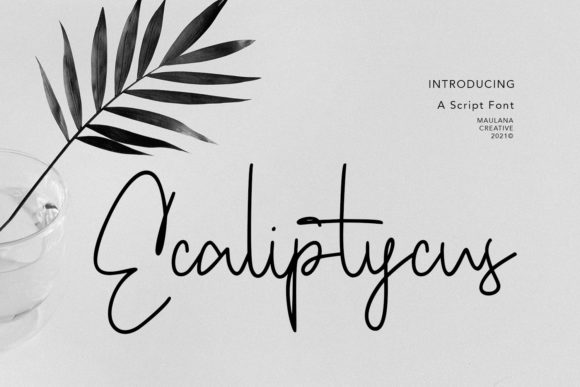
There’s a particular kind of design challenge that calls for something more than clean lines and geometric precision. It’s the project that needs a human touch, a whisper of personality, or a dash of understated elegance. This is where a well-crafted handwritten font transitions from a nice-to-have to an essential design asset. Ecaliptycus Script is precisely that kind of typeface—a light, delicate, and fluid script font designed to inject a sense of luxury and personalization into your work without overwhelming it.
At its core, Ecaliptycus Script is a modern calligraphic font. Its visual personality is defined by its thin, graceful strokes and a natural, flowing rhythm that mimics the movement of a pointed pen on paper. Unlike heavier, more casual handwritten fonts, it avoids looking messy or overly rustic. The letterforms are connected with a lightness that feels both intentional and effortless, creating a cohesive word shape that is beautiful to the eye. This delicate nature is its superpower. It commands attention through sophistication rather than volume, making it a superb choice for projects where elegance and a personalized touch are paramount.
Where This Delicate Script Truly Shines
Understanding a font's ideal context is key to using it effectively. Ecaliptycus Script isn't a workhorse for body text; it's a specialist, a performer for specific roles. Its strength lies in applications where short bursts of text need to carry significant emotional or stylistic weight.
- Wedding & Event Stationery: This is its natural habitat. Think wedding invitations, save-the-dates, RSVP cards, and thank you notes. The font’s inherent romance and delicacy set the perfect tone for celebratory moments. It can be used for names, headings, or accent phrases like "With Love" or "Celebrate."
- Branding & Logo Design: For businesses in the beauty, wellness, boutique fashion, or artisanal food sectors, Ecaliptycus Script can be a cornerstone of brand identity. Used in a logo, it communicates care, craftsmanship, and a personal connection. It pairs beautifully with a clean sans serif font for business names, allowing the script to highlight a tagline or a key word.
- Editorial & Packaging Design: In editorial design, it works well for pull quotes, chapter titles, or magazine headers to break the monotony of standard serif or sans serif text. On product packaging, especially for cosmetics, gourmet goods, or handmade items, it adds a layer of premium, crafted appeal.
- Digital & Social Media: In the realm of web design and social media graphics, a font like this adds personality. Use it for Instagram quote graphics, website hero section call-to-actions, or email newsletter headers to create a distinct, engaging visual voice that stands out in a crowded feed.
Making It Work: Practical Guidance for Designers and Creators
Choosing a premium font is an investment, and integrating it successfully requires some practical thought. Here’s how to approach using Ecaliptycus Script in your projects.
Evaluating Fit and Font Pairing
First, consider your project's core message. If the goal is to convey modern, tech-forward efficiency, this script might not be the right fit. Its personality is warm, organic, and classic. For projects that align with those values, it’s a strong candidate. The next critical step is font pairing. Because Ecaliptycus Script is a display font with high character, it needs a stable partner. A simple, geometric sans serif font (like Montserrat, Poppins, or Lato) is often a perfect match, providing a clean, readable foundation that lets the script’s details pop. Alternatively, a classic, light-weight serif font (like Cormorant Garamond) can create a more traditional, elegant hierarchy. Always test your pairings with actual content to ensure visual harmony.
Readability and Hierarchy
The most important rule with any script font is to prioritize readability. Its delicate strokes can become lost at small sizes or on busy backgrounds. Use Ecaliptycus Script for headlines, subheadings, or short accents—never for paragraphs of body copy. Establish a clear visual hierarchy: let the script font handle the emotional, high-impact elements, while your secondary typeface handles the informational load. This contrast not only ensures your message is understood but also makes the design more dynamic and professional.
Licensing and Included Styles
When you acquire a commercial font, you’re purchasing a license that dictates how you can use it. Always review the license agreement carefully, especially if the design will be used for large-scale commercial distribution, merchandise, or app development. Check what the license covers. Furthermore, explore the font package. Many premium fonts like Ecaliptycus Script come with multiple stylistic alternates, swashes, or ligatures. Accessing these OpenType features through your design software (like Adobe Illustrator, Photoshop, or Canva’s Pro tools) can add wonderful variety and a truly custom feel to your typography, allowing you to avoid repetitive letter combinations.
The Subtle Power of a Thoughtful Typeface
In a world saturated with bold graphics and loud messages, the quiet confidence of a font like Ecaliptycus Script can be a powerful differentiator. It doesn’t shout; it invites. It influences brand perception by associating your project with qualities like elegance, authenticity, and attention to detail. For a small business owner creating a thank-you card insert, it transforms a simple gesture into a memorable brand touchpoint. For a designer crafting a brand identity, it provides a unique tool to build recognition and emotional connection.
Ultimately, the value of a creative font lies in its ability to serve the story you’re trying to tell. Ecaliptycus Script is not just a set of letters; it’s a design tool with a specific voice. Used thoughtfully, it can elevate a standard design into something that feels personal, polished, and intentionally crafted. Its lightness is its strength, allowing it to add that desired luxury spark without weighing down the overall composition. The next time your project calls for a human touch with a refined edge, consider giving this delicate script a place in your typographic toolkit.