Cholasette Script: The Versatile Typeface for Modern Projects
There's a certain magic that happens when a design element perfectly captures a feeling. It's not just about looking good; it's about evoking a specific emotion, a sense of place, or a brand's core personality. In the crowded world of digital assets, finding a typeface that does this reliably is a game-changer. Cholasette Script is one such font—a casual and stylish script that has become a go-to for creatives seeking to inject warmth, elegance, and a human touch into their work. It’s more than just letterforms; it’s a design tool with a distinct voice.
A Closer Look at Its Personality
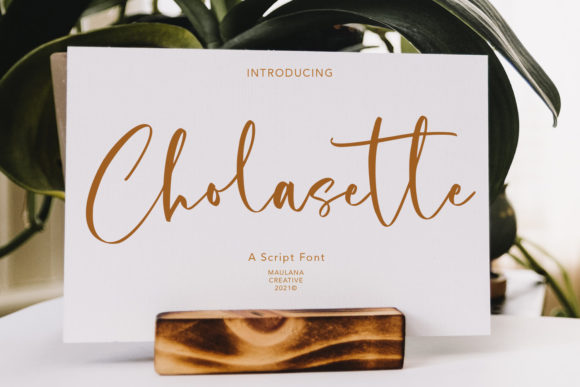
At first glance, Cholasette Script presents a beautiful balance. It has the fluid, connected strokes of a classic script, but with a modern, relaxed sensibility that keeps it from feeling stuffy or overly formal. The letterforms feature a natural, slightly bouncy baseline and gentle curves that mimic the organic flow of hand lettering. This isn't a rigid calligraphic font; it's a handwritten font with a confident, approachable character. The alternates and ligatures it often includes are key to its charm, allowing designers to customize connections and swashes for a truly unique, handcrafted result in logo design or editorial design.
This visual personality makes Cholasette Script incredibly versatile. It feels romantic and heartfelt for wedding invitations, yet stylish and contemporary for a fashion blog header. It can be playful on a children's book cover and sophisticated on a boutique product label. This adaptability is its greatest strength, allowing it to serve as a primary display font for headlines or as an elegant accent for pull quotes and short phrases.
Where This Script Font Truly Shines
Understanding the ideal applications for a font like Cholasette Script is crucial for leveraging its full potential. Its wide spectrum of use is a testament to its thoughtful design. In the realm of packaging design, it can transform a simple box or bottle into something that feels artisanal and premium, telling a story before the product is even used. For brand identity, especially for lifestyle brands, bakeries, florists, or personal consultants, it helps build an image that is both professional and deeply personal.
The digital space is where its casual elegance truly engages audiences. As part of web design, it works beautifully for hero section headlines, event announcements, or special promotional banners, instantly drawing the eye. For social media graphics, it’s a powerhouse. Imagine an Instagram quote graphic or a Pinterest pin for a recipe; using Cholasette Script for the key message adds a layer of shareable, visual appeal that generic sans serifs often lack. It’s a creative font that makes digital content feel more tactile and human.
Beyond commercial use, its value extends to personal and publishing projects. Bloggers and content creators can use it to design eye-catching featured images or chapter headings. Crafters and hobbyists find it perfect for creating custom greeting cards, scrapbook elements, or printable art. In editorial design, it can be used sparingly but effectively to highlight a magazine title, a special feature, or a recurring column, adding a consistent stylistic signature.
Integrating Cholasette into Your Design Workflow
Choosing a premium font like Cholasette Script is an investment, and integrating it effectively requires some practical consideration. First, always evaluate the fit for your specific project. Its flowing nature means it’s not suited for long blocks of body text. Instead, think of it as a headline or accent font. Its strength lies in short, impactful phrases where its personality can be fully appreciated without sacrificing readability.
A critical step is mastering font pairing. A script font needs a stable partner to create visual hierarchy and ensure clarity. Pairing Cholasette Script with a clean sans serif font for subheadings and body copy is a classic and effective strategy. The simplicity of the sans serif provides a calm backdrop, allowing the script to stand out. For a more traditional or elegant feel, a simple serif font can also work beautifully. The key is contrast: let the script be the star, and its supporting typeface play a complementary, understated role.
Before finalizing, take time to explore the font’s full character set. Many quality script fonts include stylistic alternates, different swashes, and ligatures. Experimenting with these in your logo design or headline can prevent awkward connections between letters and add a custom, polished look. Always test the font at the size it will be used. What looks elegant in a large headline might become an unreadable blur when scaled down for a business card. Checking its performance across different media—print and screen—is a professional necessity.
Finally, respect the licensing. Most commercial fonts like Cholasette Script require a license for commercial use, which covers projects for clients or for sale. The license often specifies the number of users or the types of projects allowed. Understanding this ensures your use is legal and supports the type designers who create these valuable design assets. By treating the font as a professional tool, you not only enhance your projects but also build a more sustainable and ethical creative practice.