Blanco Script: The Handwritten Font with a Modern Edge
Capturing Authentic Charm Without the Mess
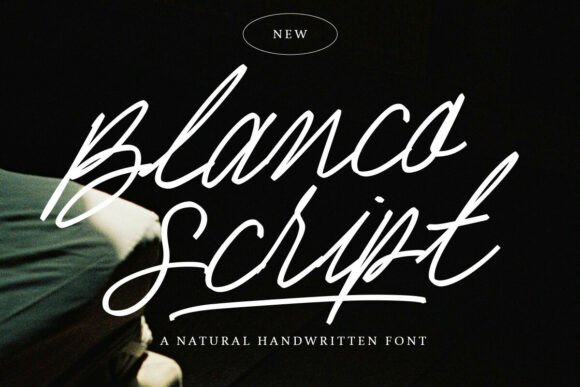
There’s a certain magic to real handwriting. It’s immediate, personal, and full of character. But translating that raw, authentic feel into a professional design project is tricky. A font that’s too perfect feels sterile; one that’s too messy looks unprofessional. This is the space Blanco Script occupies so well. It’s not a rigid, calligraphic script. Instead, it’s a natural handwritten font that captures the effortless charm of a quick note or a bold signature. The thin, fluid strokes and loose, spontaneous rhythm give it a slightly edgy, editorial twist. It feels human and expressive, yet polished enough for serious creative work. Think of it as the font equivalent of a beautifully styled, candid photograph—it’s real, but it’s also composed.
The personality of Blanco Script is confident and contemporary. Its slightly irregular baseline and varied letter connections prevent it from looking like a generic script font. This subtle imperfection is key to its appeal. It doesn’t scream “computer-generated.” Instead, it whispers of a designer’s hand or a creative director’s quick sketch. This makes it an incredibly versatile display font. It’s not meant for body text, but for headlines, logos, and accents where you need to inject personality and emotion. The overall style bridges the gap between a casual handwritten font and a more refined script font, making it suitable for projects that aim to feel both approachable and sophisticated.
Where Blanco Script Truly Shines: Real-World Applications
Understanding a font’s strengths is one thing; knowing where to apply them is another. Blanco Script excels in contexts where brand perception hinges on authenticity and creative flair. For fashion branding, it’s a natural fit. Imagine it on a boutique’s shopping bags, lookbook covers, or website banners—it immediately conveys a sense of curated style and personal touch. In magazine layouts, it works beautifully for pull quotes, article titles in lifestyle sections, or feature story headers, adding a layer of editorial elegance without sacrificing readability at display sizes.
Beyond print, its applications are equally powerful in the digital realm. For personal logos and brand identity kits, Blanco Script can become the cornerstone of a recognizable visual language. It’s perfect for a blogger’s header, an entrepreneur’s business card, or a small business’s product tags. In packaging design, especially for artisanal goods, cosmetics, or gourmet foods, it helps communicate the handmade, premium quality of the product inside. On social media graphics, it can stop the scroll. Use it for quote overlays, sale announcements, or Instagram story headers to create a cohesive and engaging feed that feels uniquely yours. It’s a creative font that translates seamlessly across web design, print design, and digital marketing materials.
Pairing for Purpose and Professionalism
A great display font is only as good as its supporting cast. The key to using Blanco Script effectively is thoughtful font pairing. Its expressive nature means it needs a calm, stable partner to ensure overall readability and visual hierarchy. The classic rule of contrast applies here: pair a script with a simple, clean typeface. A geometric sans serif font like Montserrat or Helvetica Neue provides a modern, clean counterbalance, letting the script headline do the talking without competition. Alternatively, a sturdy serif font like Lora or Merriweather can create a more traditional, editorial feel, perfect for a lifestyle brand or a publishing project.
Avoid pairing it with another ornate or highly stylized font. The goal is harmony, not a visual battle. Use Blanco Script for key phrases—a brand name, a “Shop Now” button, a main headline—and let your chosen secondary font handle all supporting text, from paragraphs to captions. This approach not only enhances brand consistency but also ensures your message is communicated clearly and professionally. It’s a fundamental principle in modern typography that separates amateur layouts from polished design.
Making the Practical Choice: Licensing and Testing
Before you commit, a practical evaluation is essential. First, consider your project’s scale. Blanco Script is a premium font, which typically means it comes with a commercial license for use in client work, products for sale, and advertising. Always review the specific license terms included with your purchase to ensure it covers your intended use, whether for a local bakery’s menu or a national ad campaign.
Next, test it rigorously. Download the font files and install them. Set your headline text at the intended size. How does it look? Does the rhythm of the letters feel right for your message? Pay close attention to readability at smaller display sizes—while it’s designed for headlines, extremely long words or very small point sizes might lose some legibility. This is where testing is non-negotiable. A font that looks stunning on a font specimen page might not work for your specific logo lockup. Create mockups of your key applications: a business card, a website hero image, a social media post. Does it maintain its charm and clarity?
Finally, explore what’s included. A well-crafted typeface often comes with stylistic alternates, ligatures, or multiple weights. These design assets can expand your creative options. Perhaps an alternate ‘g’ or ‘s’ suits your brand’s personality better. Reviewing the full character set and OpenType features allows you to customize the font’s look and truly make it your own, ensuring your final design feels intentional and unique. Choosing the right commercial font is an investment in your project’s visual impact, and taking these steps ensures Blanco Script is the right tool for the job.